

black bathroom led mirror
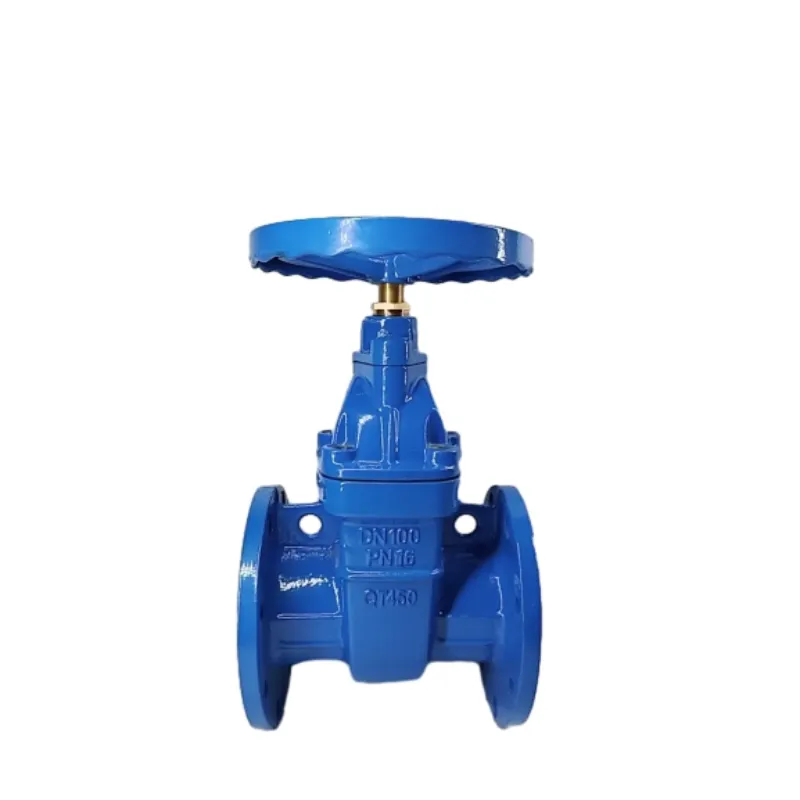
Understanding Open Water Valves Their Importance and Functionality In the vast world of plumbing and fluid management, valves play an essential role in controlling the flow and direction of liquids. Among these, the open water valve serves a particularly significant function, providing a mixture of simplicity and effectiveness in various applications. This article will explore what open water valves are, their components, functioning principles, and their applications. An open water valve, as the name suggests, is designed to allow water to flow freely when in the open position. These valves may take on different forms, including gate valves, ball valves, or butterfly valves, each with its unique mechanism but all serving the primary purpose of managing water flow. When the valve is opened, water flows through the pipeline, whereas when it is closed, it stops the flow, preventing any leaks or wastage. One of the critical components of an open water valve is its actuator, which can be manual or automatic. Manual valves require physical effort to turn, often employing a wheel or lever . In contrast, automated valves can be controlled remotely, providing enhanced convenience and efficiency, especially in larger systems where manual control would be impractical. open water valve The functionality of an open water valve is straightforward yet crucial. As water is forced through pipes due to pressure from sources such as pumps or gravity, the valve acts as a gatekeeper. When the valve is opened, the water can flow without obstruction, delivering it to where it is needed, whether that be agricultural fields, industrial processes, or municipal water supplies. Conversely, closing the valve can isolate parts of the system for maintenance or emergency responses, making it a vital tool in managing water resources effectively. Open water valves are widely used in various industries. In agriculture, they are critical for irrigation systems, facilitating the efficient delivery of water to crops, ensuring optimal growth and yield. In urban infrastructure, these valves manage the distribution of potable water and sewer systems, contributing to public health and sanitation. More recently, with the rising emphasis on smart technologies, open water valves are being integrated with IoT sensors, enabling real-time monitoring and automated control to respond to changing water demands or leak detection. Moreover, maintaining open water valves is essential for preventing failures that can lead to costly water loss or damage to infrastructure. Regular inspections, cleaning, and timely repairs can enhance their longevity and effectiveness, ensuring they perform as intended. In conclusion, open water valves are pivotal in managing the flow of water across multiple sectors. Their importance cannot be overlooked, as they support not only the practical aspects of water distribution and management but also the growing need for efficient and sustainable water usage in an ever-changing world. Understanding their design, function, and applications equips us to appreciate these vital components in our daily lives, emphasizing the need for proper maintenance and innovative advancements in valve technology.
about
black bathroom led mirror
Understanding Thread Go/No-Go Gauges An Essential Tool for Quality Control In the fields of manufacturing and engineering, precise measurement is crucial for ensuring that components fit together properly and function as intended. One of the key tools in this realm is the thread go/no-go gauge, a simple yet highly effective device used to inspect threaded parts. This article will delve into the purpose, design, and importance of these gauges in maintaining quality control. What is a Thread Go/No-Go Gauge? A thread go/no-go gauge is a measuring tool designed to verify the proper dimensions and tolerances of threaded features. It consists of two parts a go gauge and a no-go gauge. The go gauge is used to check the maximum allowable size of the thread, while the no-go gauge checks the minimum allowable size. Together, they help ensure that the threaded part meets the specified standards and can achieve a proper fit with corresponding components. Purpose and Functionality The primary purpose of a go/no-go gauge is to facilitate a quick and reliable inspection process. By using these gauges, manufacturers can efficiently determine whether a threaded part is acceptable for use. During production, threads may be subjected to various factors that can lead to errors—such as wear, tool damage, or improper machining. The go/no-go gauge serves as a definitive testing method, enabling engineers and quality control inspectors to identify parts that fall outside permissible limits. When a part passes the go gauge, it indicates that the thread is within the maximum size limit, meaning it can be assembled with the mating part. Conversely, if a part fails the no-go gauge, it indicates that the thread is larger than the minimum size limit, which could lead to improper fitting or function. Design and Features thread go nogo gauge The design of thread go/no-go gauges can vary depending on the specific application, including the type of thread (e.g., metric or imperial) and the size range being measured. These gauges are often made from high-quality materials, such as hardened steel, to withstand wear and maintain precise dimensions over time. Many modern gauges also incorporate ergonomic features, making them easier to handle and use in production environments. Additionally, some gauges can be designed with a built-in indicator to provide further feedback to the operator, ensuring that the measuring process is both efficient and accurate. Importance in Quality Control Implementing go/no-go gauges in manufacturing processes is critical for quality control. Inaccurate threads can lead to assembly failures, decreased product performance, and ultimately dissatisfied customers. By using these gauges, manufacturers can detect issues before parts are assembled into final products, reducing the risk of costly recalls or repairs. Moreover, go/no-go gauges can help ensure compliance with industry standards and regulations. Many sectors, such as aerospace and automotive, require exact specifications to ensure safety and reliability. Regular use of these gauges can assist companies in maintaining certification and demonstrating their commitment to quality. Conclusion Thread go/no-go gauges are indispensable tools in the manufacturing and engineering sectors. Their simple design and effective functionality provide a reliable method for ensuring that threaded parts meet critical specifications. By integrating these gauges into quality control procedures, manufacturers can enhance product reliability, improve operational efficiency, and ultimately deliver superior products to their customers. As industries continue to evolve, the importance of precise measurements and quality assurance will remain paramount, making thread go/no-go gauges relevant for years to come.
-

High quality industrial productsagement

High quality industrial products
View Details -

Meet the diverse needs of customers

Meet the diverse needs of customers
View Details -

Strict quality control

Strict quality control
View Details -

Top raw materials

Top raw materials
View Details -

Trusted supplier

Trusted supplier
View Details
Our application


news and information

v بلوک
موضوع V-Block در دنیای پیچیده و پیشرفته فناوری اطلاعات، مفهوم V-Block به عنوان یکی از روشهای نوین د
Válvula de cierre 3 4
Válvulas de Globo Características y Aplicaciones Las válvulas de globo son un tipo esencial de válvu
zes procent vlinderklep met actuator voor optimale prestaties en efficiëntie
De 6% Vlinderklep met Actuator Efficiëntie en Betrouwbaarheid in Regeltechniek In de wereld van rege
 English